


Eunice Barragan


During your first year as a TFA corps member, you’ll learn how to deliver rigorous lesson plans, create inclusive learning environments, and exercise self-awareness as you develop relationships with students, families, and fellow educators in unique communities. To make sure you’re successful in achieving these goals, here are some ways we help you achieve these milestones:
One-on-One Coaching
Group Learning Experiences
TFA Summits
Teaching Certification Assistance
On-Demand Teaching Resources
Mental Health Counseling:
Professional Development “PD” Saturdays
Regional Transition Teams
Cultivate Connections With Fellow Corps Members
Attend Regional Social Events
Get to Know Your School Community
Activate Your Membership to Leadership for Educational Equity:
Learn more about how TFA cultivates strong teacher communities for our corps members.
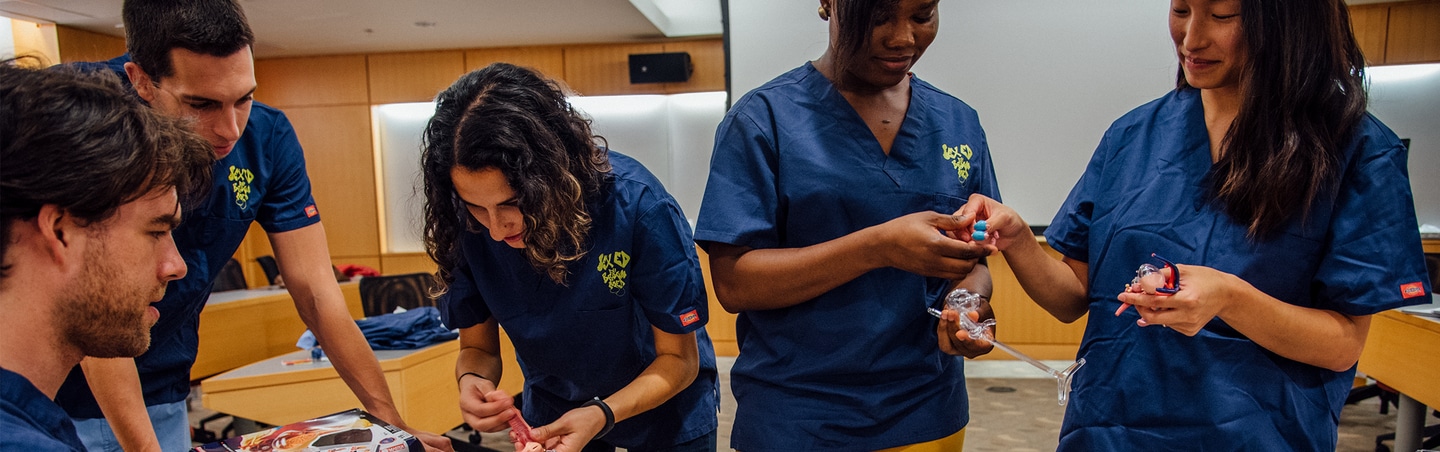
By reflecting on your first year in the classroom, you’ll develop new approaches to teaching and leadership that sharpen your focus on students' individual success. In your second year, we’ll help you hone your skills as you explore post-corp leadership pathways that align with your experience, skills, and interests in facilitating systemic change.
Strengthen Your Teaching Skills
Identify Ways to Elevate Equity In Your Career
See more about how TFA helps equity-driven leaders develop meaningful careers.
Understand Systems and Change Efforts For Educational Equity
Lead Local Efforts Alongside Peers & Your Community

Achieving systemic change is long-term work. Because alumni look to the network to make lifelong impact, we provide you with mission-aligned career support, leadership development experiences, opportunities to contribute to local change efforts, and easy access to stay connected to our network as it grows, throughout your lifetime.
To help deepen the impact of your leadership and career, TFA offers fellowships, programs, and mentors to help you master new knowledge, skills, and mindsets. Here are some ways we help you stay connected to your community and students:
Programs
Fellowships
Awards:
A lifelong commitment to educational equity deserves to be celebrated. That’s why we offer opportunities to be recognized through spotlights and financial benefits. Here are some awards we offer:
Conferences & Summits
Renew your inspiration and grow your knowledge while connecting with peers at our conferences and summits. These spaces provide opportunities for you to learn different strategies for attaining educational equity together with both new connections and old friends. Here are a couple of conferences you can look forward to:
No one is alone in the fight for our children. As a Teach For America alum, you’re part of a vast network with people from diverse backgrounds, perspectives, and career paths. And we are all here to work toward educational equity. Here are a few unique ways you can stay connected to the cause and community:
Advisory Boards & Memberships
TFA partners with graduate schools and employers to assist those in pursuit of an advanced degree or a role in a new industry.
Teach For America is a selective program. In our applicants, we look for experiences and mindsets that indicate the ability to make an impact with students today and create lasting change in the future.
We look for evidence that you:
We welcome applicants from all majors, backgrounds, and career goals. At a minimum, you must meet these requirements:
From August through March, we offer multiple application windows for the following school year. Applications for the 2027 corps will open in August.
If accepted, full-time training begins in May or June 2027, and you'll start teaching in your placement school in August or September 2027 (dates vary slightly by region).
Detailed application deadlines coming soon.
The first step in our application process is an online application. Here's what you can expect:
You'll find out if you were invited to an interview about a week after the application deadline. If invited, you'll:
In your application, you'll select up to three regions or mark yourself as "unsure" or "flexible to greatest need."
Use our Explore map to review your options for locations.
On the decision date for your deadline, you'll see your decision in the Applicant Center and via email.
If accepted, you'll receive your region, subject, and grade level assignment at this time.
If not accepted, we'll connect you with partner programs where you can also make an impact on educational opportunities. You're also welcome to re-apply next year.
Read all the details of what you will find in your offer >
If you get an offer, you'll have 10 days to confirm. During that time, you can:
When you confirm your offer, know that our whole team is celebrating your decision and the impact you're going to make.
Depending on when you apply and your region's in-person training start date (in May or June), you may have 1-7 months before full-time training starts. During that time, we'll:
Our events give you a firsthand look at life in the corps—and the careers it leads to.
Check your inbox for a welcome email and make sure to confirm your subscription!
Log in