From Resumes to Real Life: A Professional Development Guide for College Students
You know that feeling when you imagine your future, and the thing that excites you most isn't the paycheck or the title, it's actually making a difference? That's a signal worth following.
The hard part is figuring out what to do with it. How do you turn that energy into a career? How do you take the first step when the path forward isn't clear yet?
The truth is that the path forward rarely looks like what you expect, and that's actually okay. The people who end up doing the most meaningful work rarely follow a straight line to get there. They followed their curiosity, said yes to things before they felt ready, and kept learning, even when they weren't sure where it was all leading.
If you're someone who wants to grow quickly, lead meaningfully, and know at the end of the day that your work made a difference, Teach For America was built for you. We specialize in finding and developing young leaders who are ready to start their careers where it matters most, with students.
Below, we share what professional development actually looks like, why it matters more than you might think, and how to start right now, on your own terms.
Understanding Professional Development

What is professional development, really?
Here’s something that might surprise you. Chances are, you are already doing professional development without realizing it.
Watching YouTube tutorials to learn a skill, building a following on social media, completing a game or challenge that required strategy and persistence, or figuring out how to monetize a hobby—all of that counts. Professional development doesn’t require a formal program, a corporate budget, or a perfectly curated LinkedIn profile.
Professional development is really just investing in yourself. It's any time you're intentionally getting better at something that matters for your career or your life at work.
Listening to one industry podcast a week, doing one informational interview a month, or spending 20 minutes learning a new tool, those all count. And best of all, you don't need a boss or a budget for it.
Why is professional development important?
The jobs you’ll likely have 10 years from now don’t even exist yet. No matter what field you pursue, your ability to constantly learn, adapt, and grow will be essential. Your skills will be your safety net, not your job title.
You might be thinking professional development is something you'll get to eventually after graduation, after you land your first job, after things settle down. But “eventually” can mean a missed opportunity.
Professional development is like an investment account. The earlier you start, the more it compounds. A skill you pick up in your 20s has years to grow, open doors, and connect to other skills. Your leadership, empathy, and the ability to push through hard things will travel with you no matter where you end up, and employers will notice.
Career Development Tools
Gen Z knows: Your career will probably look nothing like you planned. That’s not a failure. It’s just the new norm.
The things that will keep you afloat throughout unexpected changes are the skills you picked up out of curiosity. It could be a little data analysis here, some project management there. You genuinely cannot predict what will be useful, so learn broadly.
As you’re figuring out your direction, focus on experiences that build transferable skills, expose you to real-world contexts, and show how you demonstrate initiative. Those are all things employers pay close attention to, especially early in your career. TFA’s Career Resources page is a good place to start. It includes free workbooks, career pathway quizzes, and guides to help you explore what different careers actually require and how to take the next steps toward your dream job.
How to Talk about Your Leadership Experience
Download our STAR Method workbook to prepare to share about your leadership in interviews and applications.

Professional Development Activities for College Students
During undergrad, professional development can sometimes feel like one more thing on an already full plate, especially when you're still figuring out what you even want to do. But here's some helpful reframing: it doesn't have to be a big lift. Small habits practiced consistently are the secret to real career growth.
Here are some ideas to get you started:
Discover your strengths
Before you can tell your story to an employer, you need to know it yourself. Feeling confident in an interview comes from actually knowing what you bring to the table. Tools like StrengthsFinder, HIGH5, and VIA Character Strengths help you identify what you’re naturally good at through short surveys. Many are available through your college or university.
Swap skills with someone you know
You don’t need to sign up for a formal class to build new skills. Think about who in your life is great at something you want to learn and offer to teach them something in return. Trading Excel for Canva, or writing for coding. It costs nothing and builds both a skill and a relationship at the same time.
Earn a microcredential
Short on time, but want something concrete to show for your learning? Microcredentials are focused, bite-sized courses built around a specific skill or topic you can use right away. If you want a place to start, Teach For America offers “microlearning” certificates on essential leadership skills and AI literacy.
Build your network before you need it
You’re not alone if you feel like networking at a career fair is intimidating. But networking isn’t about working a room full of strangers. It’s about building genuine relationships before you need them. That can look like a LinkedIn connection, a coffee chat, or finding a mentor on campus, and staying in touch with these people as you transition to life after college. The people you connect with now will become managers, founders, and hiring decision-makers faster than you expect.
Keep your resume current
Don’t wait until you are job hunting to update your resume. Anytime something significant happens in your professional life— relevant coursework, student org leadership, freelance projects, or volunteer work—add it to your resume. When it’s time to apply somewhere, you will already have a list of accomplishments you can tailor to the role. Teach For America’s resume toolkit has concrete examples and practical advice for building a resume that actually reflects your potential.
Take soft skills seriously
The workplace will always change, but communication, empathy, and professionalism will never go out of style. The good news is that college is one of the best training grounds for soft skills. Think: group projects, presentations, even emails to your professors are all practice. The difference is being intentional about how you show up in those moments instead of just trying to get through them.
Professional Development Activities for College Students
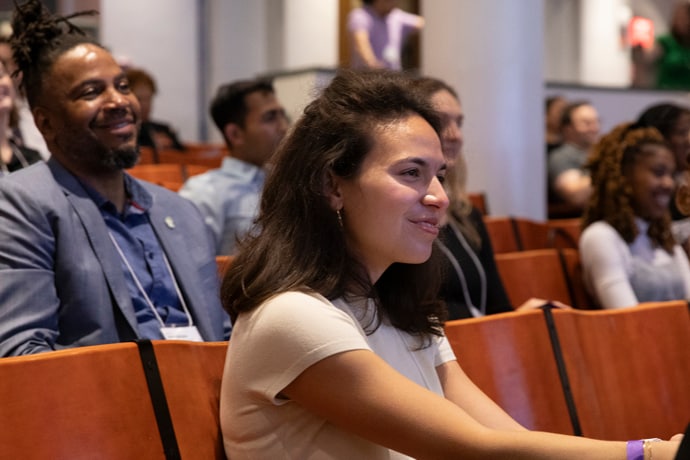
Beyond the day-to-day habits, there are specific types of events worth putting on your radar while you’re still in school.
On-campus events
Career fairs, resume workshops, employer info sessions, and alumni panels are all worth attending, even if they feel a little uncomfortable at first. Most are free or discounted for current students.
Volunteer opportunities
Volunteering is one of the most underrated forms of professional development there is. Not only is it helping your community, it also builds real-world skills, grows your network, and gives you something meaningful to talk about in interviews. Find something through your campus or a local organization that connects to a cause you care about.
Virtual events and webinars
One of the few lasting benefits of the post-COVID world is that a huge amount of professional development is now available online for free. Industry webinars, virtual networking events, and online conferences give you access to people and conversations that would have required a plane ticket a few years ago. TFA offers a series of live and archived webinars specifically designed to help you navigate your career after college, including building interview confidence, finding your personal "why," and working through imposter syndrome.
Benefits of Professional Development
One of the hardest parts of starting your career is just feeling like you belong in professional spaces. That feeling doesn't go away on its own. It gets built slowly and quietly, through every workshop you push yourself to attend, every conversation you initiate, every skill you add to your toolkit. You start to feel like you have something to offer, because you actually do.
It also creates options. You cannot predict which connection or which skill is going to matter, so the more broadly you invest, the more doors you have available when you need them. And you will need them because careers are long and unpredictable, and the people who navigate them best are the ones who never stopped growing.
Ready to Take the Next Step?
Your potential to make an impact is bigger than you think right now. Pick one thing from this list—one podcast, one coffee chat, one skill you've been curious about—and do it this week. That's it. You’re on your way.
Explore TFA's Career Resources to find free tools, guides, and events designed to help you take your next step and learn how you can start your career where it matters most.