


Kenia Becerra

Native children experience some of the highest levels of poverty in our country, which greatly impacts their academic and life options. To help end this disparity, the Native Alliance develops leaders who are committed to preserving Native culture and expanding opportunities for Native youth across the country.
Our work is centered on deepening relationships with Native leaders and communities across our regions. Corps members and alumni who work in Hawai‘i, Greater Tulsa, Minnesota, New Mexico, Oklahoma City, South Dakota, and Washington may also have the opportunity to serve Native students living on reservations.
We recognize that the vast majority of Native children attend schools across all of our regions, not just in regions that serve students in schools on tribal land. Our alliance aims to grow the number of Native teachers working in schools across the country, and to build support for indigenous education and partnerships in all communities.
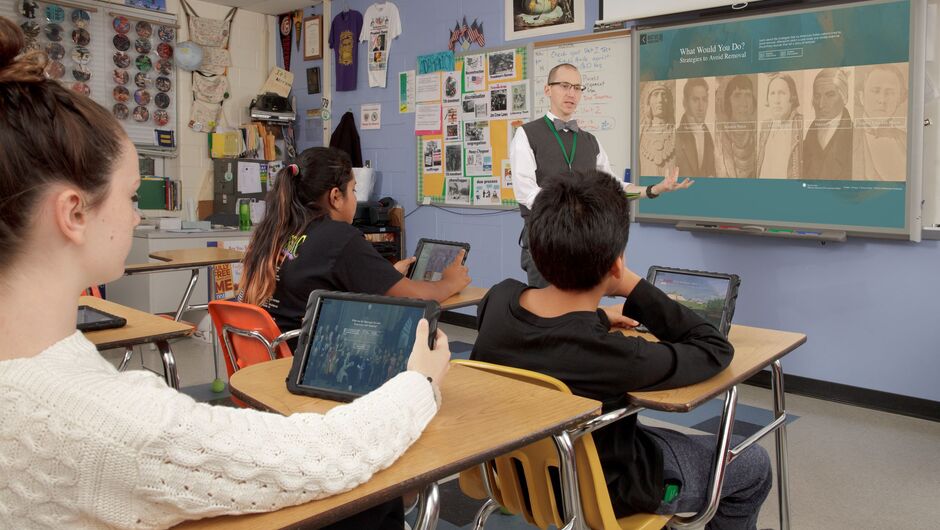
Panelists representing different tribal nations discuss how Native mascots are rooted in a harmful history of white settler colonialism, and why they have no place in schools and professional sports.
Native educators discuss different forms of cultural appropriation, and how well-intentioned efforts to preserve Native languages and culture can sometimes further perpetuate the oppression of Indigenous peoples.
WaziHanska Cook, senior managing director of Teach for America's Native Alliance discusses the current educational context for Native students in the United States and Indigenous Nations.
Less than 1 percent of our country’s teachers identify as American Indian, Alaska Native, and Native Hawaiian. Native students benefit from seeing leaders in the classroom who share and affirm their culture, language, and traditions. Since the alliance was first launched in 2009, we have recruited over 340 Native teachers into classrooms across Teach For America’s national network. Simultaneously, we are working to build a sustainable alumni leadership pipeline. Our alumni include school, policy, and community leaders committed to advocating for and building with Native communities and children.
In the 2015-16 school year, more than 300 corps members worked relentlessly to expand opportunity for their 10,000 students from Native backgrounds.
Students learn best when they can see their own experiences, culture, and language reflected in their curriculum. We’re working to create outstanding examples of culturally responsive teaching and training our teachers in those practices.
We can go further together. That’s why we’re committed to forming strong partnerships with Native organizations and governments to raise awareness, collaborate on teacher recruitment and training, and accelerate our collective efforts.
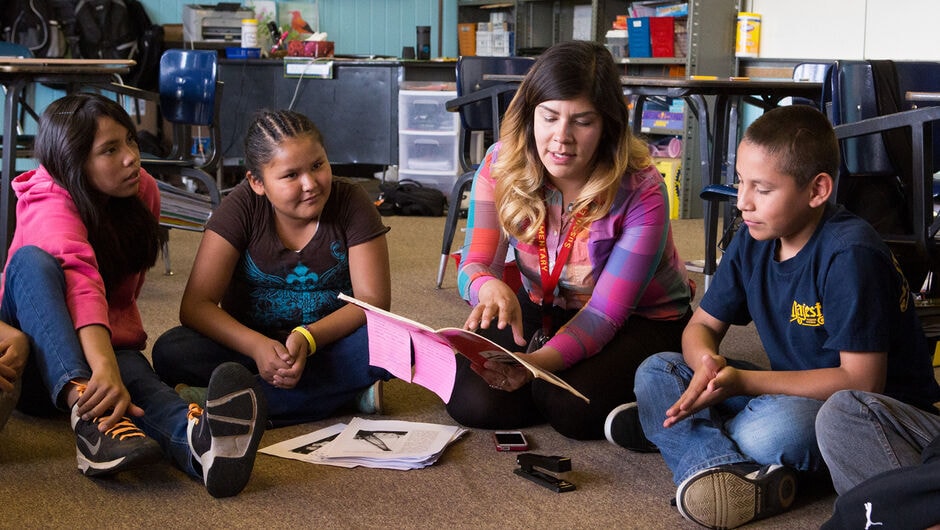
““I knew New Mexico was exactly where I wanted to be. Serving my community means teaching kids like me.””


Leadership. Integrity. Commitment. These are just a few of the skills that our military veterans develop during their years of service to our country. They’re also the skills that our greatest teachers exemplify in the classroom every day.
The Military Veterans Initiative was formed in 2012 to support veterans and military spouses who want to serve their country yet again by putting their leadership skills to work in the classrooms that need them most. Through partnerships with key veterans support organizations, we train military professionals as teachers in high-need schools, assist them in finding teaching positions, and support them throughout their careers as leaders in the movement for educational equity.
“I retired after 30 years of [military] service to my country, but this commitment is far from over…I want my students to recognize that a life dedicated to caring about and helping others is a life worth choosing.”
Educational inequity affects not just individual children, but our entire nation—we cannot move ahead when we are leaving so many of our own behind. That’s why we’re tapping into the leadership, perseverance, and dedication to service inherent in our military veterans by recruiting them to become teachers who can play a strong role in putting their students on new life trajectories. Veterans and military spouses who join us are joining a community dedicated to their training, support, and lifelong leadership development.
The Military Veterans Initiative helps to connect our military veterans and military spouse corps members and alumni with professional development opportunities that will help their unique leadership skills. We work to transition these corps members and alumni into career paths that will place them in lead roles that directly affect educational inequity. To learn more about how the Military Veterans Initiative supports corps members and alumni, please email us at veterans@teachforamerica.org.
One of the ways we support the professional and personal growth of our military veterans and military spouse corps members and alumni is through our Military Veterans Initiative council. The council is comprised of veterans and military spouse corps members and alumni who act as consultants to the Managing Director of the initiative.
These council members work to ensure there is substantial support in place for veterans and military spouse corps members and alumni, as well as access to leadership mobility pathways that will sustain military involvement in the fight to end educational inequality.
The Military Veterans Initiative helps to connect our military veterans and military spouse corps members and alumni with professional development opportunities that will help their unique leadership skills. We work to transition these corps members and alumni into career paths that will place them in lead roles that directly affect educational inequity. To learn more about how the Military Veterans Initiative supports corps members and alumni, please email us at veterans@teachforamerica.org.
These partners work with the Military Veterans Initiative to support the professional development of our military veterans and military spouse corps members and alumni as they continue to lead in the movement for educational equity.
“The young people who join Teach For America each year are engaging in a form of national service that is focused on eliminating one of the biggest threats to our nation’s future prosperity—educational inequity.”
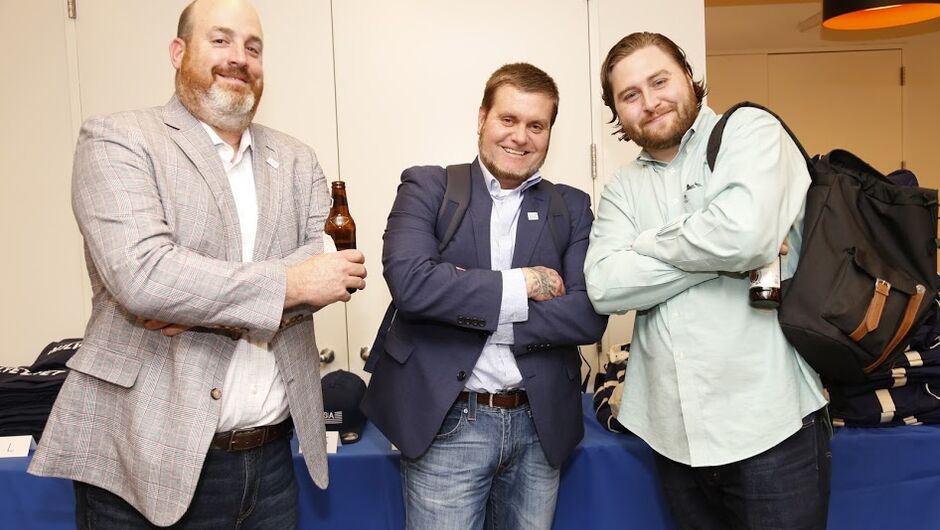
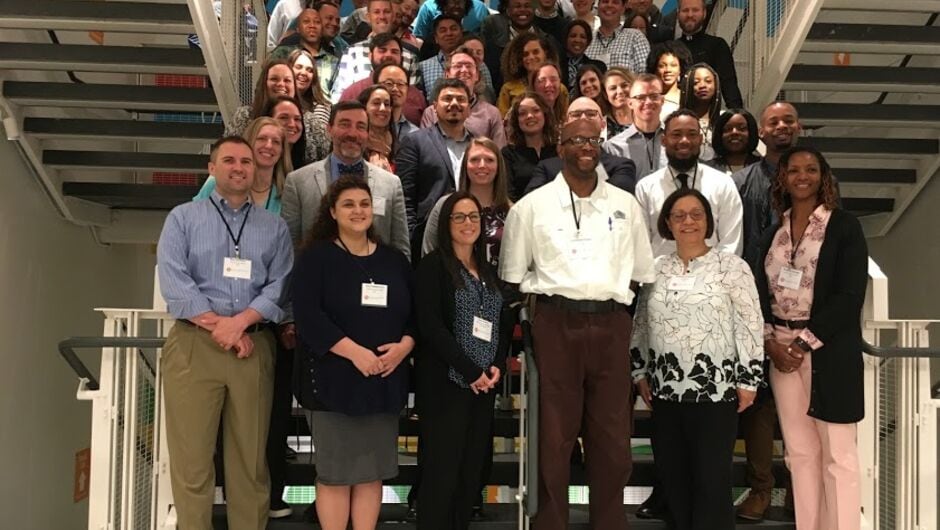
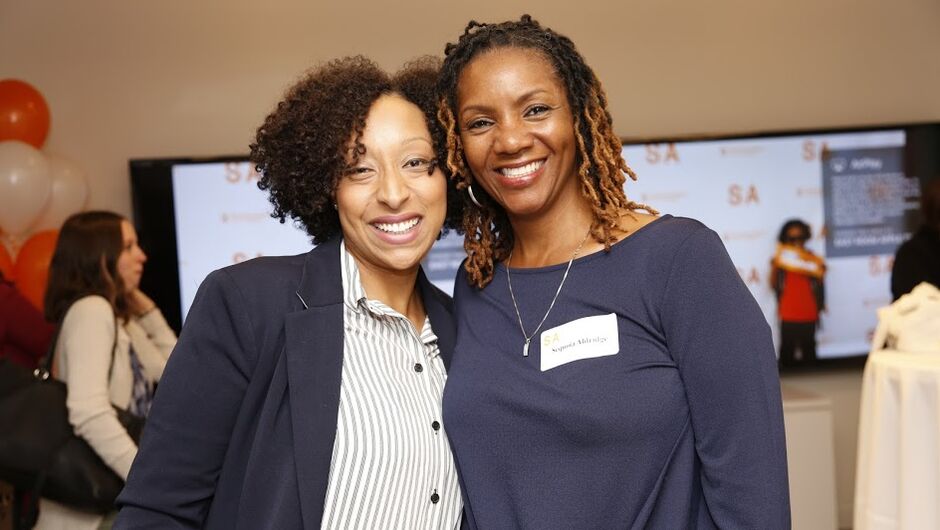
The faces of the military veterans initiative.

Rio Grande Valley '07
Deputy Staff Judge Advocate
Staff of the Commandant, Naval District Washington

Brian Thompson (D.C. Region '09) on the legacy of Senator McCain and the need for continued leadership.
Read about Commander Ellington, who was inspired to pursue a new path upon learning about Teach For America.
Check your inbox for a welcome email and make sure to confirm your subscription!
Log in