What is a Gap Year?
Graduation is coming, and everyone wants to know what you're doing next. You might have a vision for your future and a plan to get there. But what if you're still figuring things out?
A gap year could give you the time and tools to find out.
For some people, that could mean traveling or volunteering, while others may use a gap year to try out a new career field or learn something new. Whatever the reason, the idea isn't to put life on hold. It's about making the time to do something that moves you forward.
Here's how to make a gap year count, what your options might look like, and how to decide if it's right for you.
What is a Gap Year?
A gap year is a planned break from school, usually taken between high school and college, but you can also take one during college or after graduation. And despite the name, it doesn't have to last for exactly one year. It can last longer, or just a few months. What matters is what you do with the time.
A gap year gives you time and space to explore what interests you in the real world and to discover things like a new career you haven't considered or whether an interest you thought you loved is or isn't exactly right for you.
When Should I Take a Gap Year or Semester?
When and for how long you take your gap year depends on your unique journey, like where you are, what you can afford, and what you'd like to learn. Typical gap year scenarios include:
- After High School: Take time before college to work, travel, volunteer, or explore interests you haven't had the chance to fully pursue.
- During College: Take some time before college to gain work experience, save money, complete an internship, or pursue an interest that doesn't fit within an academic schedule.
- After College: Spend some time exploring career options, building new skill sets, or deciding what type of work or study you'd like to pursue next.
Friendly reminder: If you've already been accepted to college or are currently enrolled, check out your school's policies, as taking time off can affect financial aid, scholarships, or graduation requirements. The National Association for College Admission Counseling has resources to help you plan.
What Can I Do During a Gap Year?
A worthwhile gap year doesn't require a plane ticket or a big budget. All you need is a reason to start. Here are just five ways to use a gap year:
1. Travel and experience a new culture
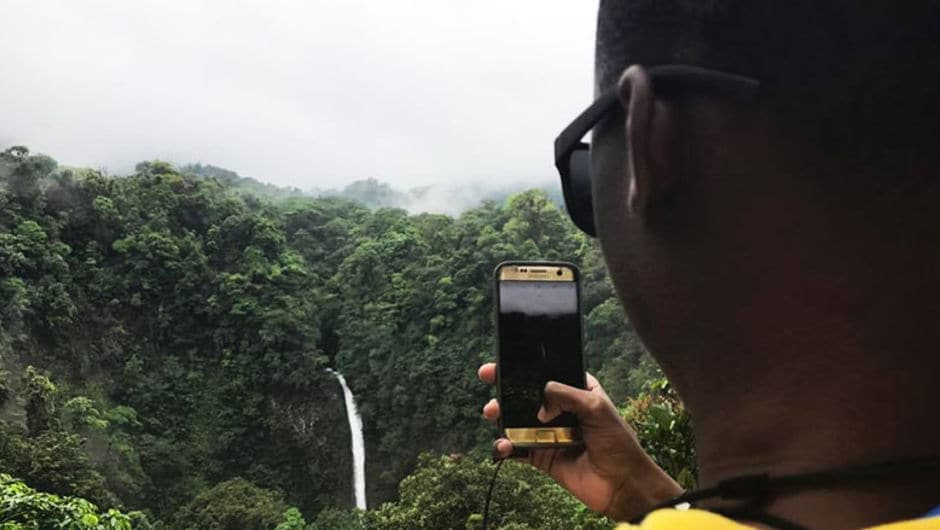
There's a lot of value in experiencing a place outside of one you know. Traveling, joining a cultural exchange, or working abroad can introduce you to new people and perspectives. Whether that's learning a new language, figuring out how to navigate unfamiliar settings, or just becoming more comfortable doing things on your own, you'll gain skills that will carry you into whatever comes next. If gap year travel interests you, do your homework: check costs, visa requirements, and what a program may expect before you commit.
2. Volunteer for something you care about
Many people care about many different issues, but fewer people care enough to show up and do something about it. Volunteering gives you a chance to get involved with work happening in your community, and to make a real impact in real time. That doesn't mean solving a huge problem on your own. Start by finding out where you can help. Look for opportunities where you can make a useful contribution while also learning from those already doing the work.
3. Try out a career before committing to it
Think you might want to work in healthcare, public policy, technology, or education? A gap year can help you find out what that type of work actually looks like and feels like. Through things like internships, job-shadowing, or entry-level positions, you can discover things a career website could never tell you. Like whether or not you like working with people. Or, if you're good at something you never realized was a strength before. Or that your dream job looks very different up close.
4. Work and save money
Financial stability matters. That's why sometimes the smartest move is getting a job, earning a paycheck, and building some financial breathing room for whatever you'd like to pursue next. Whether your main goal is saving money for school or your next move, working in retail, restaurants, customer service, and other fields can teach you how to manage responsibilities, solve problems, and work alongside people who see things differently.
5. Learn a skill you can put to work
A gap year gives you time to try out something you've always wanted to learn. From taking a course to finding a mentor, building something by hand, or becoming fluent in another language, what you learn provides something concrete you can show for your time. It also may open a new door to using those shills in future possibilities you haven't even considered yet.
Not sure which direction to take?
If you're not sure a gap year is the right decision for you, take this quiz to figure out what's important to you and your future.
How to Choose a Gap Year Program
Not every gap year program is the same. Some offer structured travel or service experiences, or focus on professional skills development and career exploration. Before you commit to any formal gap year program, ask yourself a few questions:
- What do I want out of this? Am I looking to gain work or life experience, a new skill, or the ability to contribute to something I care about?
- What will it cost? How will I pay program fees? Is financial assistance available, or are there opportunities to earn and save money?
- What will I actually do? What would a typical day look like, and what sort of responsibilities would I have?
- Who's there to support me? Will I receive any training, mentorship, or support, and who can I turn to if things get difficult?
- Where could this lead? How will this experience help me prepare for more schooling, a career, or help me figure out what comes next?
A good gap year program should be able to help you answer those questions clearly so that you can make the best decision. You can also explore the Gap Year Association's planning resource for help with comparing options.
What if You Want to Start Your Career and Make a Difference?
If you're considering a gap year because you want to build skills that matter, meet people who care about the same things you do, and you want to earn a living knowing that the work you're doing actually matters to someone—that's where Teach For America comes in
TFA offers recent college graduates and early-career professionals the opportunity to begin their careers as full-time teachers in communities across the country.
It’s not a gap year program. It’s a paid, two-year commitment to teaching, learning, and leading alongside students and communities.
As a Teach For America corps member, you'll take responsibility for a class of students with big ideas, different strengths, and futures worth investing in. You'll plan lessons, work with families, collaborate with fellow educators, and help kids grow.
And you won't do it alone. TFA provides training, coaching, mentorship, and professional support to help you enter the classroom with confidence and continue developing as a teacher and leader. Teaching asks a lot of you. But you'll have the chance to see what happens when students make progress, build confidence, and discover what they're capable of. And you'll grow right alongside them.
In fact, TFA's network includes more than 70,000 alumni who have used the skills they gained in the classroom in careers in education, law, business, public policy, technology, and many other fields. If you want to share that experience and do work that matters now while building skills for whatever's next in your journey, Teach For America could be a place to start.
Read five things young professionals should know about joining Teach For America.
The Next Step is Yours. Make it Count.
If you haven't figured out what comes after graduation, you can still do something to keep moving forward. Take a gap year to travel somewhere new, get a job and save money, volunteer for a cause you believe in, try a career you're curious about, or learn a new skill.
Or, if you're ready to take on a different type of commitment after graduation, you could learn, grow, and gain skills by leading a classroom. Whatever you choose, make it a decision you can stand behind, knowing it doesn't have to be perfect. It should just give you a chance to learn, contribute, and move toward the future you want.
Want to start a career where you can lead, learn, and make a difference for kids?